Sep 8, 2026Cold Chain Guides
How Stable Is Pharma Reefer Temperature, Really?
For pharma loads, reaching the target is not enough. A measured batch held variance within 2-8°C across full loads, frequent door openings and long highway runs.

The question pharma reefer buyers ask first is not whether the unit can reach a target temperature, but how stable that temperature is. The real concern is variance: whether the setpoint stays controlled through a full load, frequent door openings and long highway stretches. For temperature-sensitive pharmaceuticals, a unit that reaches the target and then drifts is not much better than a unit that does not reach it at all.
This is why pharmaceutical cold-chain buyers tend to ask for evidence rather than specification. A nominal pull-down figure tells you what the unit can do in a test, not what the cargo experiences during an average operating day. The value of stability is that it describes the whole journey, not just the moment the box first reaches its setpoint.
Reaching the Target Is Not the Same as Holding It
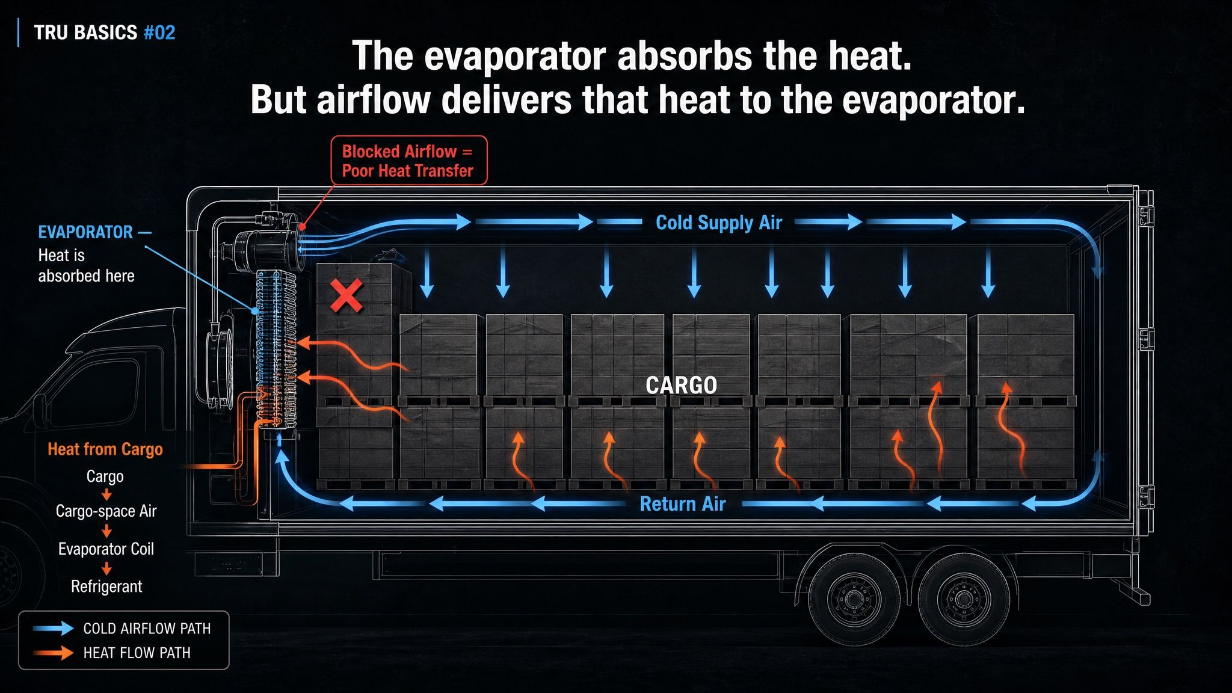
Pull-down performance is only half of the requirement. The harder part is maintaining a narrow band once the box is loaded and the vehicle is underway. Door openings admit warm air, stops change the duty on the compressor, and long runs expose the body to continuous heat gain. Stability under those conditions is what separates a pharma-grade unit from a general-purpose one.
Testing Real-World Stability
A batch of pharma reefer trucks delivered recently put this directly to the test. Fifteen sensors were placed throughout the cargo area and tracked across full-load, frequent-door and long-highway conditions. Throughout the exercise, temperature variance stayed within 2-8°C the entire time, even as the load and the operating conditions changed.
GSP Standards and the Build
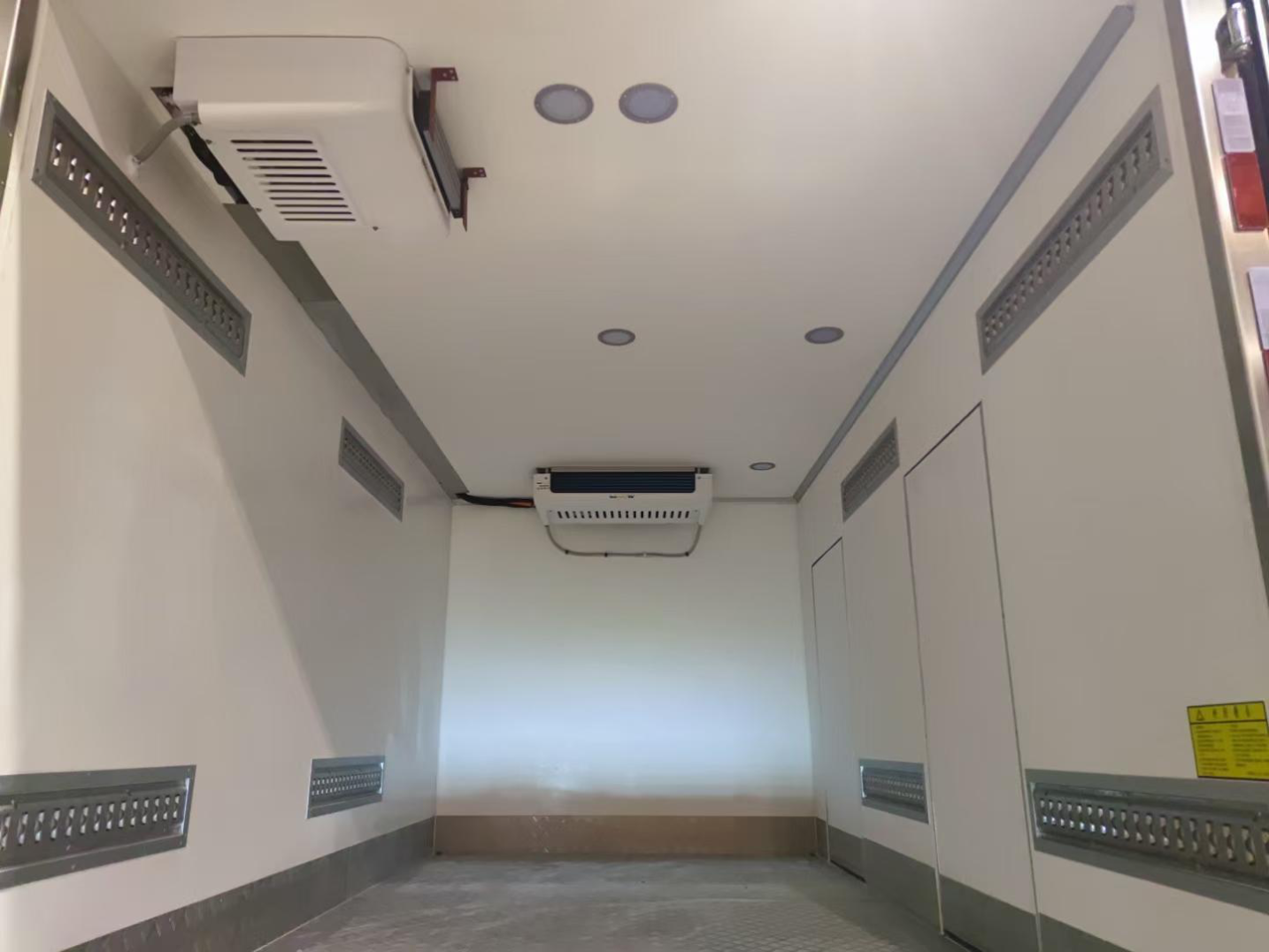
The batch is also notable for how it was built: it is the first domestically produced batch of its kind in China to combine an imported overseas refrigerated-body process, and it is constructed to GSP standards. That matters for pharma work, because a compliant refrigerated body, not only a compliant refrigeration unit, is part of the cold chain that a regulated load depends on.
The Weight Trade-Off of Redundancy
One detail is easy to overlook when specifying a pharma unit: weight. Dual-unit setups, with one unit active and one on standby, are common because they provide failure redundancy, allowing the spare unit to take over if the primary fails. But a heavy unit eats into useful payload, which matters on a truck that carries goods every trip. This batch keeps the main unit under 95kg and the side unit at 60kg, a reasonable balance between redundancy and cargo capacity.
How to Read a Stability Claim
Not all stability claims are equal, and a buyer can ask useful questions to separate them. What conditions were tested? How many sensors measured the box and where were they placed? Did the test include full loads, repeated door openings and continuous running, or only a steady no-load cycle? The more the test resembles the actual route, the more relevant the result is to a real decision.
It is also worth asking whether the measured figure is the spread across the whole cargo space or only a single point. A single sensor can report a stable temperature while a corner of the box runs warmer. Wide distribution of measurement points, such as the fifteen sensors used in this batch, gives a far more truthful picture of what the cargo actually experiences.
For a pharma fleet or a cold-chain operator carrying regulated product, the value of this kind of data is that it replaces assumption with evidence. Temperature stability is not something to be inferred from a spec sheet; it is something to be demonstrated under the conditions the vehicle actually faces. When a supplier can show how a unit holds its band through real loading and running cycles, that is the confidence a pharma buyer needs.